 By yaqoubgurmani4@gmail.com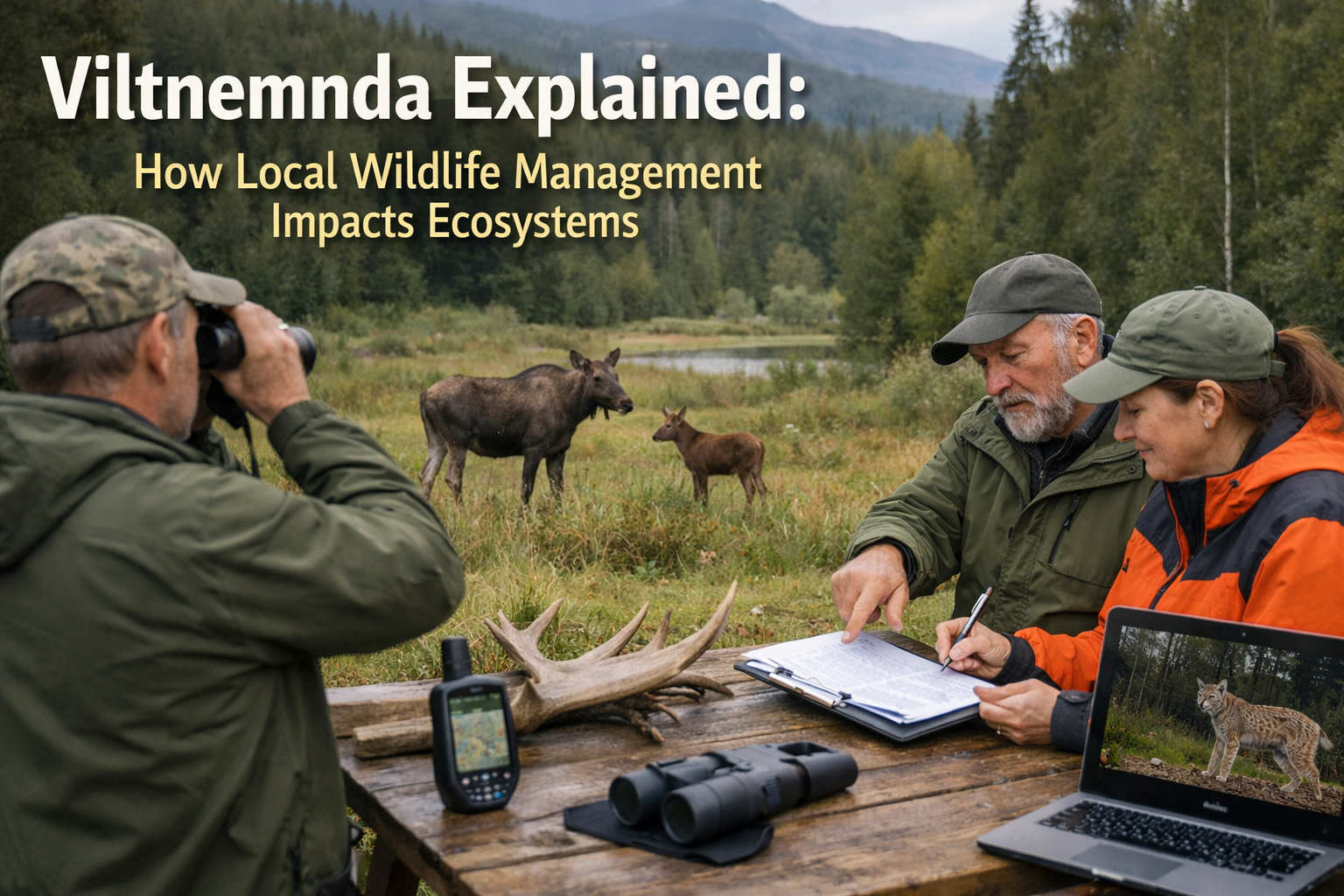
Wildlife is an essential part of our natural world, but managing it effectively can be a complex task. Enter Viltnemnda, the local wildlife management body that plays a crucial role in maintaining ecological balance. This organization navigates the intricate relationship between humans and wildlife while ensuring sustainable practices are upheld. As we dive into the functions and significance of Viltnemnda, you’ll discover how this entity influences not only biodiversity but also community interactions with nature. Get ready to explore the fascinating realm where local policies meet environmental stewardship!
What is Viltnemnda and Its Importance
Viltnemnda refers to local wildlife management committees tasked with overseeing the protection and sustainable use of wildlife in specific areas. Their primary mission is to balance ecological health with human interests, ensuring that both can coexist harmoniously.
These committees play a vital role in preserving biodiversity by implementing regulations, monitoring populations, and fostering responsible hunting practices. By addressing issues like habitat destruction and species conservation, Viltnemnda significantly impacts local ecosystems while engaging communities in meaningful environmental stewardship.
Legal Framework and Power of Viltnemnda
Viltnemnda operates within a legal framework designed to protect wildlife while balancing human interests. This governance structure grants them specific powers, ensuring they can make informed decisions regarding local ecosystems.
The authority of Viltnemnda includes setting hunting quotas and managing species populations. Their role is crucial in maintaining ecological balance and promoting sustainable practices. Through collaboration with various stakeholders, they enforce laws that are vital for effective wildlife management.
Managing Human-Wildlife Conflict
Human-wildlife conflict arises when animals encroach on human activities, leading to potential harm or property damage. This interaction can create tension between communities and wildlife, necessitating effective management strategies.
Viltnemnda plays a crucial role in addressing these conflicts by implementing preventive measures. Solutions include habitat modification, public education programs, and non-lethal deterrents to encourage coexistence. By fostering understanding and collaboration, Viltnemnda helps mitigate issues while promoting the conservation of local ecosystems.
Structure and Composition of Viltnemnda
Viltnemnda typically consists of a diverse group of individuals, including wildlife experts, local authorities, and community representatives. This blend ensures that various perspectives are considered in decision-making processes related to wildlife management.
The structure often includes roles like the chairperson and committee members who share responsibilities for overseeing initiatives. Their collaboration fosters effective communication and strengthens connections between government bodies and the public, promoting transparency in addressing local wildlife issues.
Key Responsibilities and Tasks
Viltnemnda plays a vital role in wildlife management. Its key responsibilities include monitoring local animal populations and assessing their health. This ensures ecological balance within habitats.
Additionally, Viltnemnda formulates strategies for sustainable hunting practices. They collaborate with hunters to establish regulations that protect vulnerable species while allowing for responsible resource use. These tasks help maintain harmony between humans and nature, fostering coexistence in shared environments.
Technology Support for Wildlife Management
Technology has revolutionized wildlife management practices. Tools like GPS tracking and remote camera systems enable viltnemnda to monitor animal populations in real-time. This data helps assess the health of ecosystems and informs decision-making.
Additionally, mobile apps allow for easy reporting of wildlife sightings or conflicts by community members. These innovations enhance communication between local residents and management authorities, fostering a collaborative approach that benefits both humans and wildlife alike. Embracing technology is crucial for effective conservation strategies in today’s world.
Engaging Local Communities
Engaging local communities is essential for effective wildlife management. Viltnemnda encourages participation through educational programs and workshops, fostering a sense of responsibility among residents. This involvement helps build awareness about local ecosystems and the importance of biodiversity.
By collaborating with community members, Viltnemnda can better understand human-wildlife interactions. Engaged citizens often contribute valuable insights into wildlife behavior, which aids in developing strategies to mitigate conflicts and promote coexistence between humans and nature.
Handling Roadkill and Injured Wildlife
Roadkill and injured wildlife present significant challenges for local ecosystems. Viltnemnda plays a vital role in addressing these issues by coordinating response efforts. Quick action can help minimize suffering for animals and reduce risks on roadways.
Community members are encouraged to report sightings of injured or deceased wildlife. This collaboration aids in timely intervention, whether through rehabilitation efforts or proper disposal methods. Engaging the public fosters a sense of responsibility towards nature, ensuring our shared environment remains healthy and thriving.
Wildlife Damage, Compensation, and Sustainable Hunting Practices
Wildlife damage can significantly impact agriculture and property. Viltnemnda plays a crucial role in assessing these damages, providing compensation to affected individuals. This support not only alleviates financial burdens but also fosters coexistence between humans and wildlife.
Sustainable hunting practices are essential for maintaining healthy ecosystems. By regulating hunting quotas and promoting responsible methods, viltnemnda ensures that wildlife populations remain balanced while allowing local communities to benefit from their resources. Engaging hunters in conservation efforts strengthens the relationship between people and nature.
The Role of Municipal Nature Office
The Municipal Nature Office plays a pivotal role in local wildlife management. It acts as a bridge between viltnemnda and the community, ensuring that wildlife issues are addressed effectively. This office provides valuable resources and information to residents about local ecosystems.
Additionally, it facilitates collaboration among stakeholders, including landowners and conservation groups. By promoting awareness and understanding of wildlife needs, the Municipal Nature Office helps create a harmonious relationship between humans and nature while supporting sustainable practices in the area.
Challenges and Opportunities in Wildlife Management
Wildlife management often faces challenges like habitat loss, climate change, and human encroachment. These factors can lead to declining populations and increased conflicts between species and humans. Addressing these issues requires innovative strategies that balance ecosystem health with community needs.
On the flip side, opportunities abound in the form of technology advancements such as drones for monitoring wildlife. Engaging local communities fosters stewardship and support for conservation efforts. Education initiatives can also raise awareness about biodiversity’s importance, paving the way for more effective management practices.
Future Trends and Opportunities
Emerging technologies are poised to transform viltnemnda’s approach to wildlife management. Innovations like drones, GPS tracking, and artificial intelligence enhance monitoring and data collection, enabling more effective strategies.
Additionally, increased collaboration with local communities can create new opportunities for conservation efforts. By fostering partnerships and sharing knowledge, viltnemnda can empower residents to play a proactive role in protecting their natural surroundings while addressing human-wildlife conflicts more efficiently.
Conclusion: Crucial Role of Viltnemnda in Wildlife Conservation
The role of viltnemnda in wildlife conservation is undeniably significant. It acts as a crucial bridge between local communities and the natural world. By managing human-wildlife conflicts, overseeing sustainable hunting practices, and engaging with residents, viltnemnda fosters a balanced ecosystem.
This collaboration not only helps protect biodiversity but also encourages responsible stewardship of natural resources. As challenges arise, such as climate change or urban expansion, the adaptability of viltnemnda will be essential for future success. Its work supports both wildlife populations and community interests, ensuring that nature thrives alongside human development.